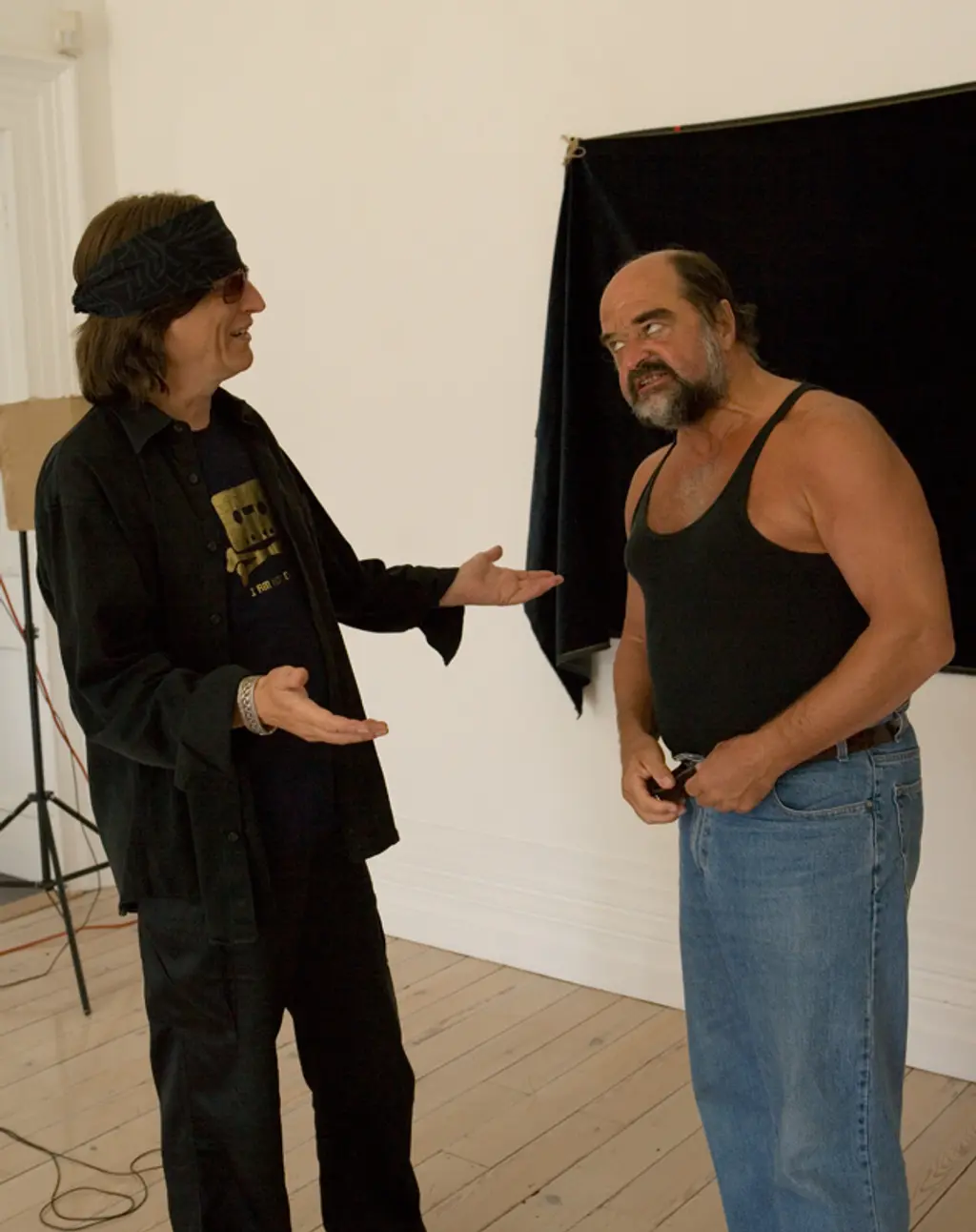
Kurt Rydl is one of the greatest bass singers of our time.Born in Vienna, he studied in Vienna and Moscow.He won 1st prize at competitions in Barcelona and Paris.
1972-1977 initial engagements in Linz and StuttgartSince 1976 permanent member of theVienna State Opera1986 Awarded the title of “Kammersänger”1999 Made honorary member of theVienna State Opera2001 Awarded the Austrian Medal of Honour,1st class for Art & ScienceHis opera repertoire comprises more than 80 roles in German, Italian, French, Russian and Czech works.His concert repertoire ranges from Mozart to Penderecki, from Beethoven to Mahler.A true Viennese, he endeavours to keep the traditional "Wiener Lied" alive and also enjoys singing musical songs (e.g. « If I were a rich man »).He took the initiative to record the CD « Christmas with World Stars » with the Three Tenors and other well-known artists. This recording is just one of more than 30 CDs, which will convince you of the quality of Kurt Rydl’s voice. (See also Discography ).Since 1972 he has been giving 90 - 100 performances per season.He has made guest appearances at all the world’s most famous opera houses.Festivals:Bayreuth, Bregenz, Edinburgh, Munich, Salzburg, Verona
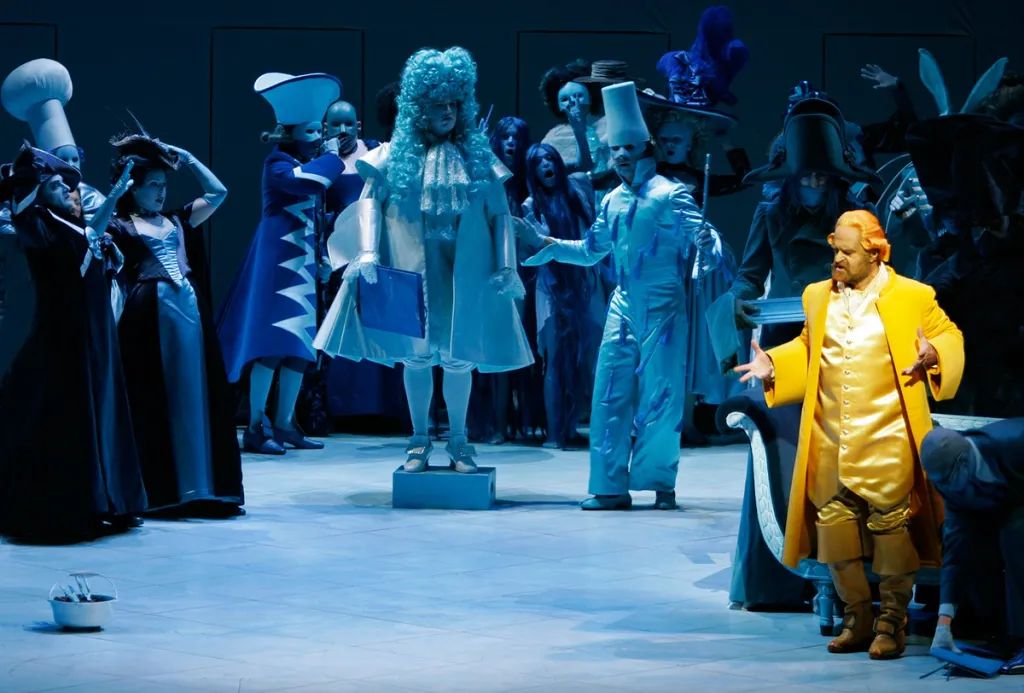
"...FOR A MOMENT IT SEEMED LIKE GOTTFRIED HELNWEIN’S MAGICAL SET WILL START TO SING AS WELL."
08. March 2006Israeli OperaTel AvivDer Rosenkavalier - Selected Reviews
Parsifal - Richard Wagner
For his last opera, Wagner dug into German and Christian legends and, in his inimitable fashion, created in Parsifal an allegory on the conflict between Christianity and paganism, good and evil, light and dark, physical passion and spiritual abstinence. It is rich in allusions and symbolism and will no doubt keep scholars happily employed for generations to come, studying the sources and the ways that Wagner drew them together into this extraordinary work.Despite the difficulties of its layered literary trappings, obscure references, and daunting length, Parsifal's movingly lyrical music well rewards the intrepid opera-goer who is up to the challenge.Two relics focus the human and spiritual concerns of the work: the Holy Grail, a vessel from which Jesus drank and which also held his blood, and the Sacred Spear, used by a Roman soldier on Jesus, here a weapon of defense against nonbelievers. Amfortas leads a community of knights that protects the Holy Grail. He suffers mightily from a wound inflicted by Klingsor, a sorcerer and sworn enemy. Klingsor had employed Kundry to seduce Amfortas, leading to the loss of the Spear to Klingsor, and the subsequent wounding.This has all happened before the curtain rises. Wagner's overture, with drum rolls, brass fanfares, ethereal strings, and his long-lined themes, sets a grand and serious tone. A hero must be found, according to prophesy, one who is innocent and ignorant of evil. Parsifal arrives on the scene and survives both Kundry's attempt to seduce him and Klingsor's aggression, to finally bring redemption to the good guys. There is, then, a focused plot line and an interesting group of characters, each reflecting a different aspect of the conflicts between good and evil, faith and faithlessness, all glued together with the powerful density of Wagner's music...