"It is not just an opera, it is an event.”
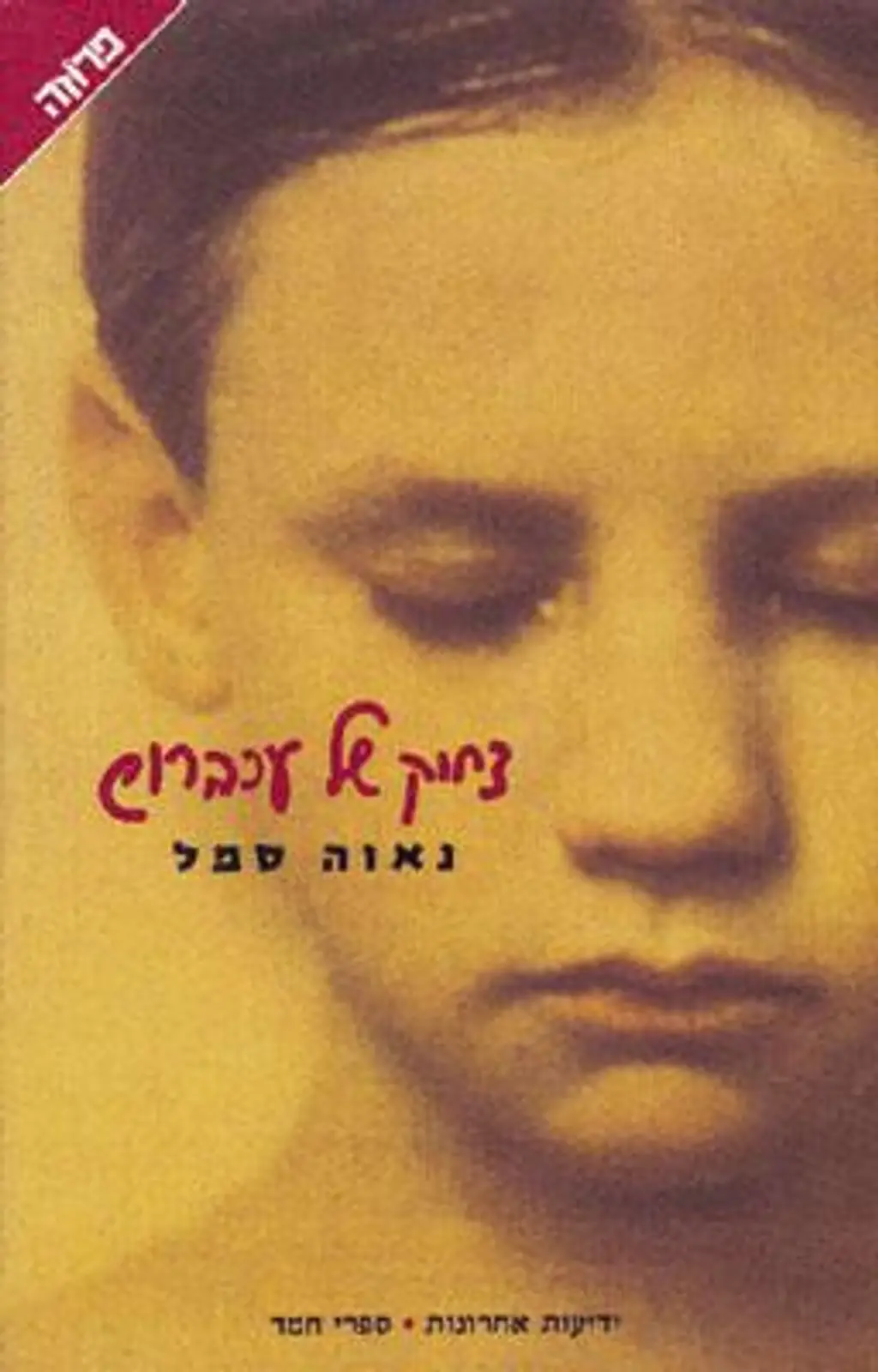
The Rat LaughsA Chamber OperaBy Ella Milch- SherifAdapted from the novel "The Rat Laughs" by Nava SemelLibretto: Nava Semel and Ella Milch- Sheriff
“I was trembling with excitement. It was shocking in the inner force of Nava Semel’s text and libretto. It was spine-chilling in the quality of Ella Milch-Sheriff’s music. I could hear how the tears poured from the music, how it began to cry… This is one of the most superb operas ever written in Israel… It was stirring to hear choral pieces so electrifying in their poetry… What a profound and brilliant orchestration. All the singers were superb. The girls of the Moran choir sang like angels. The Israeli Chamber Orchestra under the baton of Ori Leshman was at its best. Director Oded Kotler’s minimalist direction was brilliant. If you miss this opera, the loss if yours. It is not just an opera, it is an event!”Hanoch Ron, Yedioth Ahronoth
“The three-sided encounter between Nava Semel’s story, which in itself is vast and powerful, Ella Sheriff’s music that heightens the content and underpins it, and Oded Kotler’s penetrating, implied and sensitive direction creates the kind of artistic treasure that Wagner termed “a combination of the arts” (Gesamtkunstwerk) at its best… From where did the young Einat Aronstein draw the amazing mental and physical power to get into the character of the abused and wretched girl and sing in her lyrical voice… In his wonderful bass-baritone Alexey Kanunikof in the role of the priest conducts a beautiful mass with the girls of the Moran choir, who sing beautifully. Praise is due to Mai Israeli for her vocal and dramatic charisma in the role of Lima, and Bavat Marom, too, in the role of the grandmother, provides the impressive qualities of the experiences of the horrors… The story, music and direction are palpitating in their force and perpetuate not only the Holocaust, but also the great talent of the creators of this opera.”Ora Binur, Ma’ariv
“…This might be the only way of touching such materials, through adaptation and refinement of artificial, external, non-realistic design… the music elevates the story to the point of manifesting in its own unique plane: on the one hand it is contemporary with no conspicuous structure that can be easily defined… It is a musical drama sung throughout, with many capturing harmonic and melodic passages.… This artistic framework, which uniquely combines opera and theatre, is a spellbinding experience from start to finish. Through the musical writing, the challenging Hebrew language came out comprehensibly sung. The roles are molded with emotional conviction: Bavat Marom in the role of the grandmother, Claire Meghnagi as her granddaughter, Mai Iisraeli as Lima, the Moran Ensemble Choir of Choirs, Alexei Kanunikof as the priest, and especially Einat Aronstein, the girl in the pit with her so expressive face and body… in a nutshell, beautiful.”Michael Handelsaltz, Ha’aretz
“Milch-Sheriff has written richly expressive music to Nava Semel’s extremely cogent libretto. Each circle has its melodic or rhythmic qualities and with very vivid orchestration she succeeds in giving rich and clear musical expression to Semel’s book. Each character and scene is blended into a texture of exceptional quality, like links in a complete and continuous musical chain. The music reaches its climax when Sheriff combines with innovative imagination liturgical music and the "other", contemporary, music or that music which symbolizes the future.From time to time there emerge familiar Jewish motives from within the orchestra but without crossing the border into sentimentality.The young conductor, Ori Leshman, and veteran director Oded Kotler, for whom this is his first essay in directing an opera, create a single theatrical and musical experience… The beautiful sets designed by Adrian Vaux, who also designed the costumes… the lighting sensitively designed by Keren Granek in complete accord with the entire work. The soloists provided several most impressive performances… characters with a strong stage presence… It is to the credit of everyone involved in the performance of this unique opera that they have not neglected the minutiae, but have turned the whole into a very live organism.”Zvi Goren, Habamah Internet Website
“Sheriff possesses a unique melodic talent… the melody is surprising, exciting, tastefully orchestrated, fully justifying the text for which it was written… The opera is performed without pausing for breath, scene follows scene, as the emotional and dynamics intensify… The libretto was written with cinematic perspective… An excellent performance sent an exhilarated audience home from the auditorium.”Noam Ben-Ze’ev, Ha’aretz