January 1st, 50
16. ARBEITEN VON 2000 - 2008. ÖL UND ACRYL AUF LEINWAND: "The Disasters of War"
The Disasters of War, 2007
Los Angeles Times, GOTTFRIED HELNWEIN - DARK INSPIRATION
Lynell GeorgeArts & Culture30. März 2008
"Some might think that Los Angeles - its unrelenting sun, its one-step-away-from-reality perch -- is an incongruous place for someone like Helnwein. What he creates, regardless the medium - watercolor, oil, photography, performance art, sculpture - is a thorny psychological excursion into our sublimated self, our obscured corners and dark humors. His explorations into war crimes, Catholicism, disfigurement and the Holocaust are both unflinching and surgical. His work is in museum collections around the world, including those of LACMA and the Smithsonian, and critics have labeled it grotesque, fearless, disturbing and "veer[ing] dangerously close to offensive." People are surprised, he says, when they discern that he doesn't "seem insane."
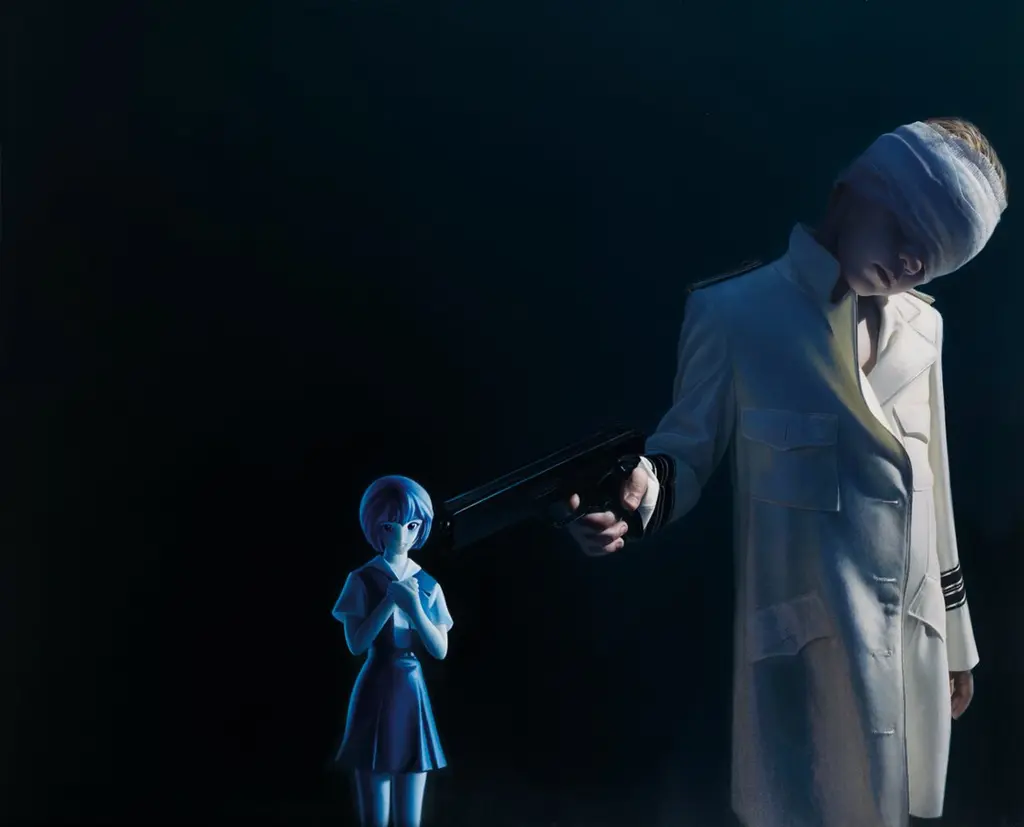
The Disasters of War 24
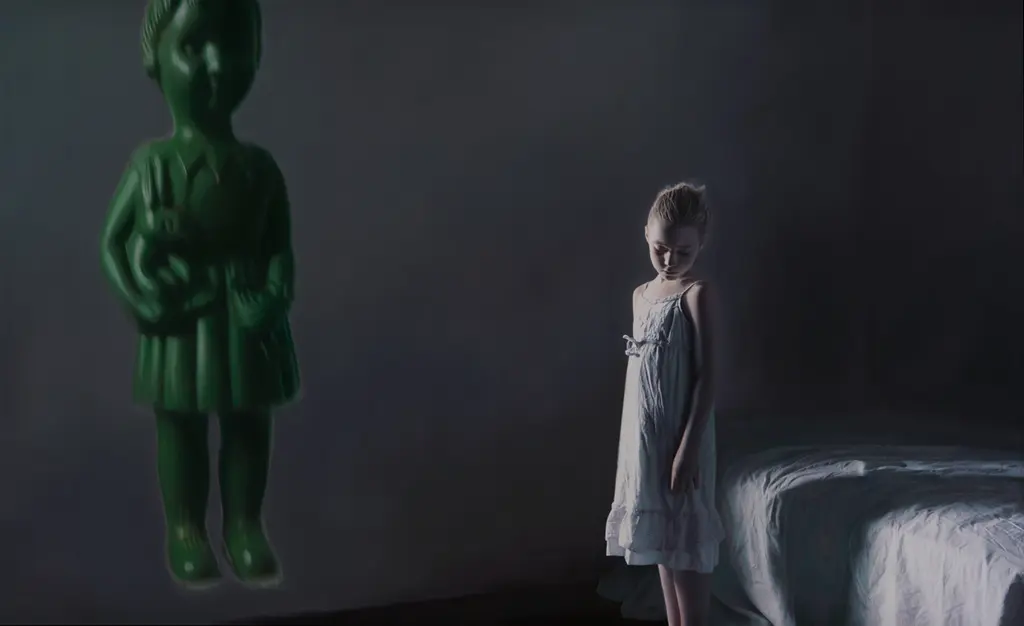
The Disasters of War 2
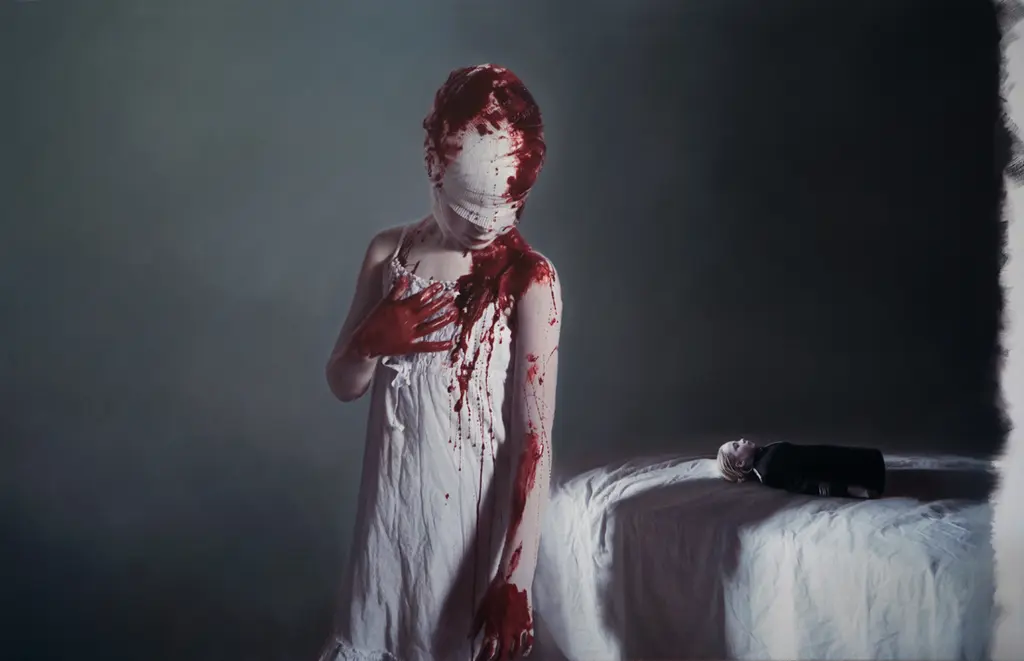
The Disasters of War 3
GOTTFRIED HELNWEIN: THE CHILD, 2004
Harry S.Parker IIIDirector of Fine Arts Museums of San Francisco
For Helnwein, the child is the symbol of innocence, but also of innocence betrayed. In today’s world, the malevolent forces of war, poverty, and sexual exploitation and the numbing, predatory influence of modern media assault the virtue of children. Robert Flynn Johnson, the curator in charge of the Achenbach Foundation for Graphic Arts, has assembled a thought-provoking selection of Helnwein’s works and provided an insightful essay on his art in this exhibition catalogue.
Helnwein’s work concerning the child includes paintings, drawings, and photographs, and it ranges from subtle inscrutability to scenes of stark brutality. — Of course, brutal scenes—witness The Massacre of the Innocents—have been important and regularly visited motifs in the history of art. What makes Helnwein’s art significant is its ability to make us reflect emotionally and intellectually on the very expressive subjects he chooses. Many people feel that museums should be a refuge in which to experience quiet beauty divorced from the coarseness of the world. This notion sells short the purposes of art, the function of museums, and the intellectual curiosity of the public.
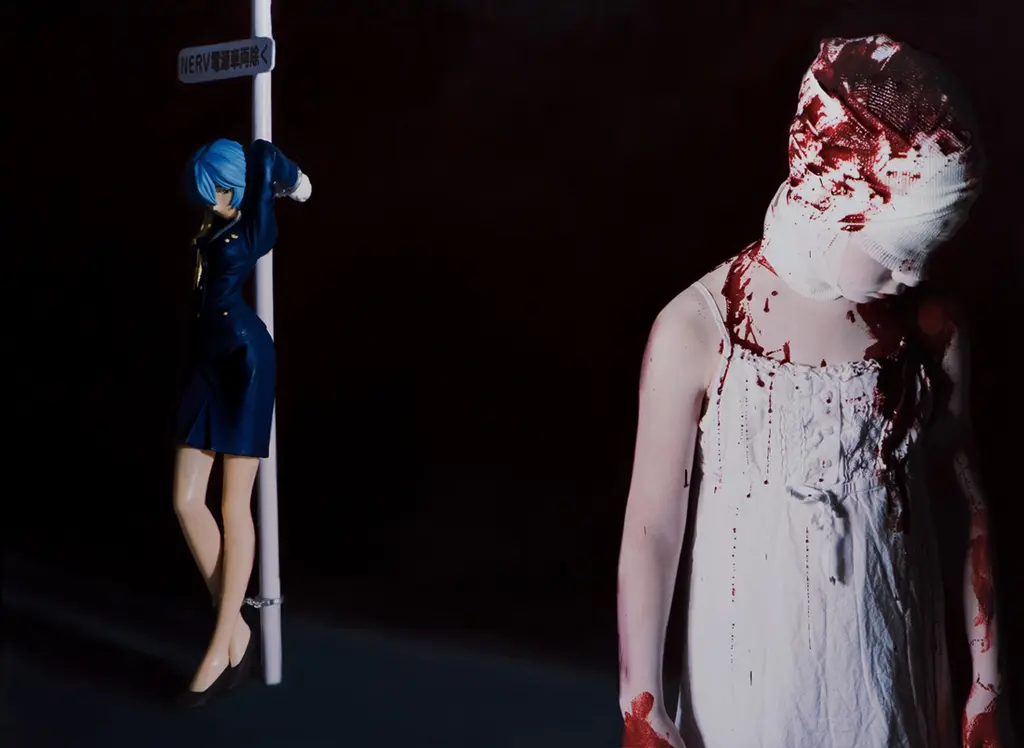
The Disasters of War 6
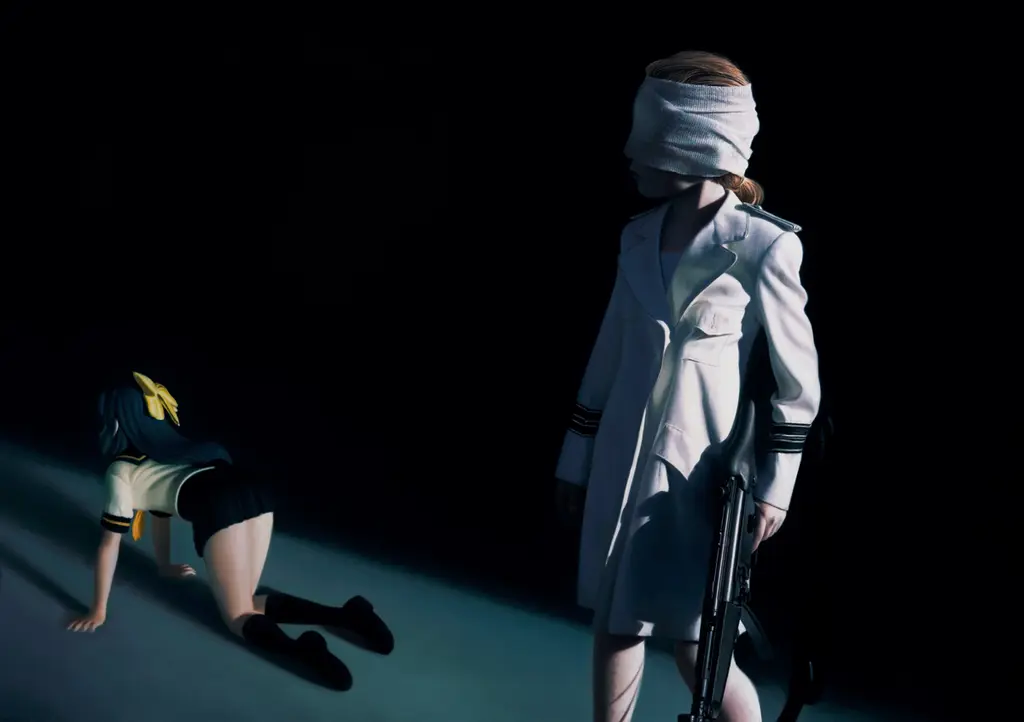
The Disasters of War 7
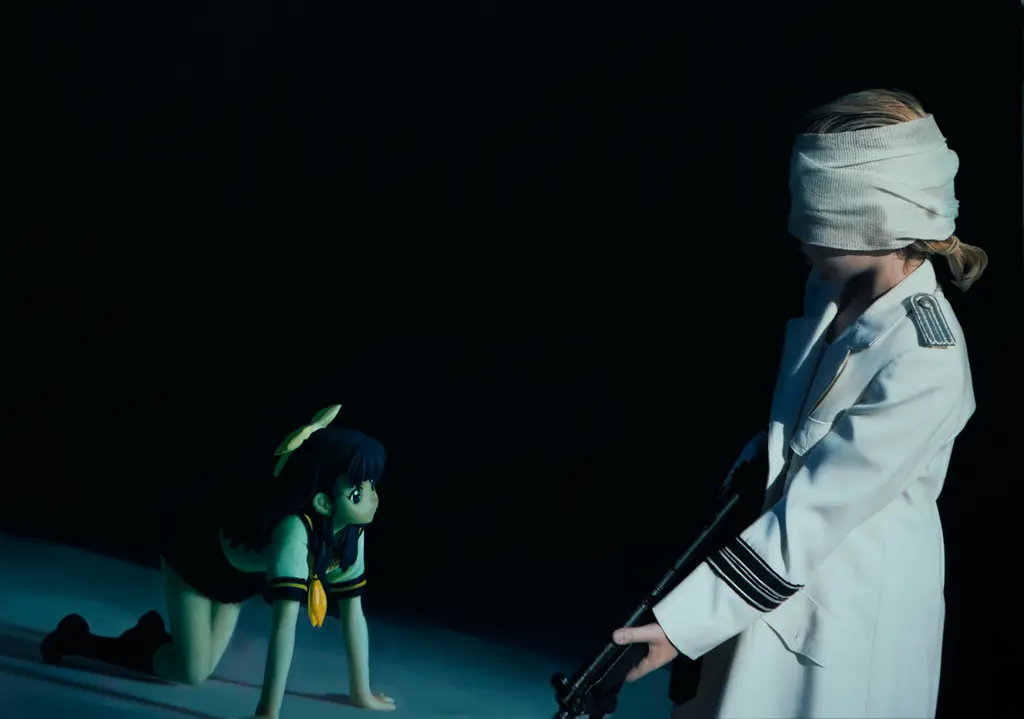
The Disasters of War 8
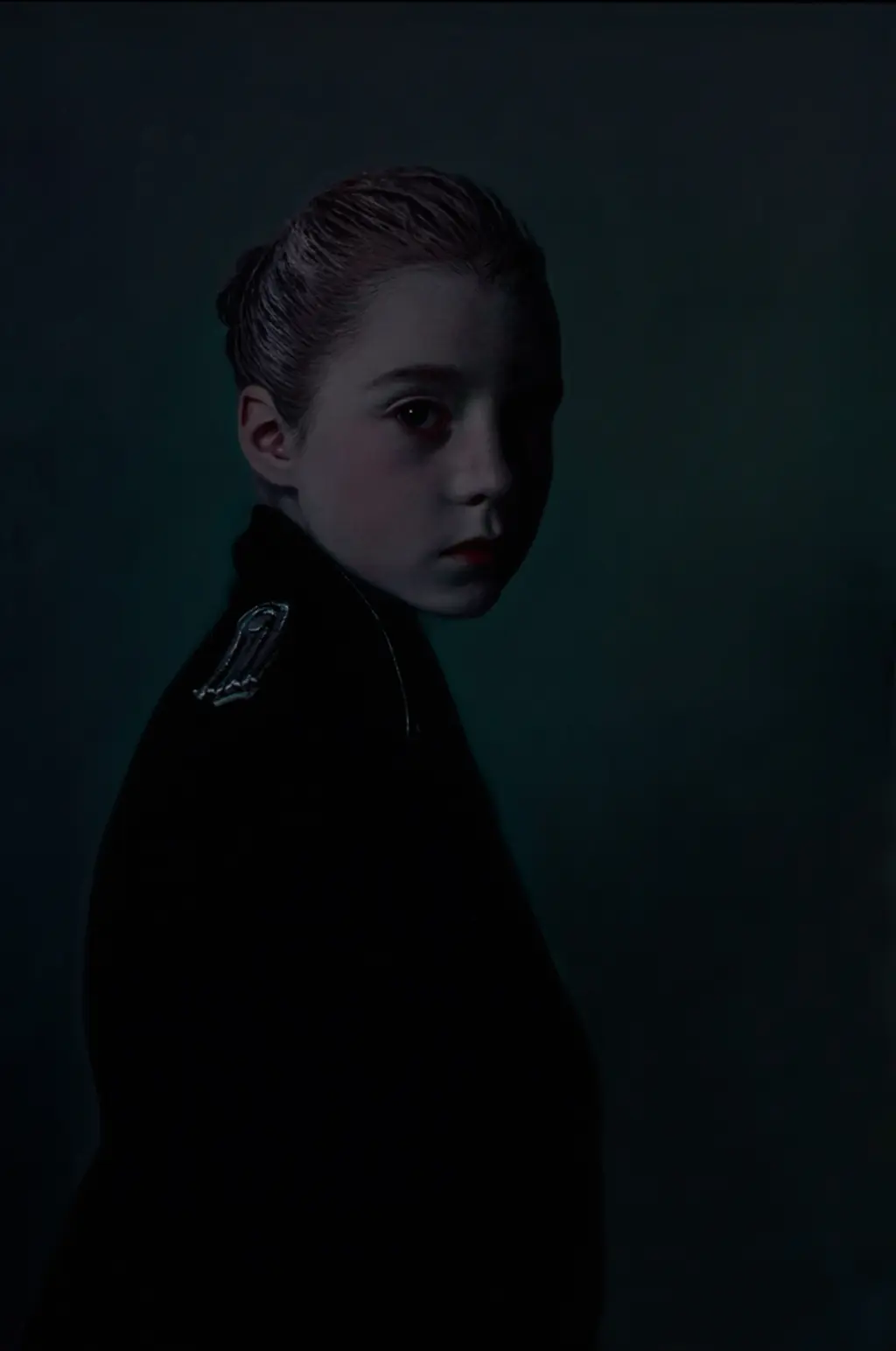
The Disasters of War 12
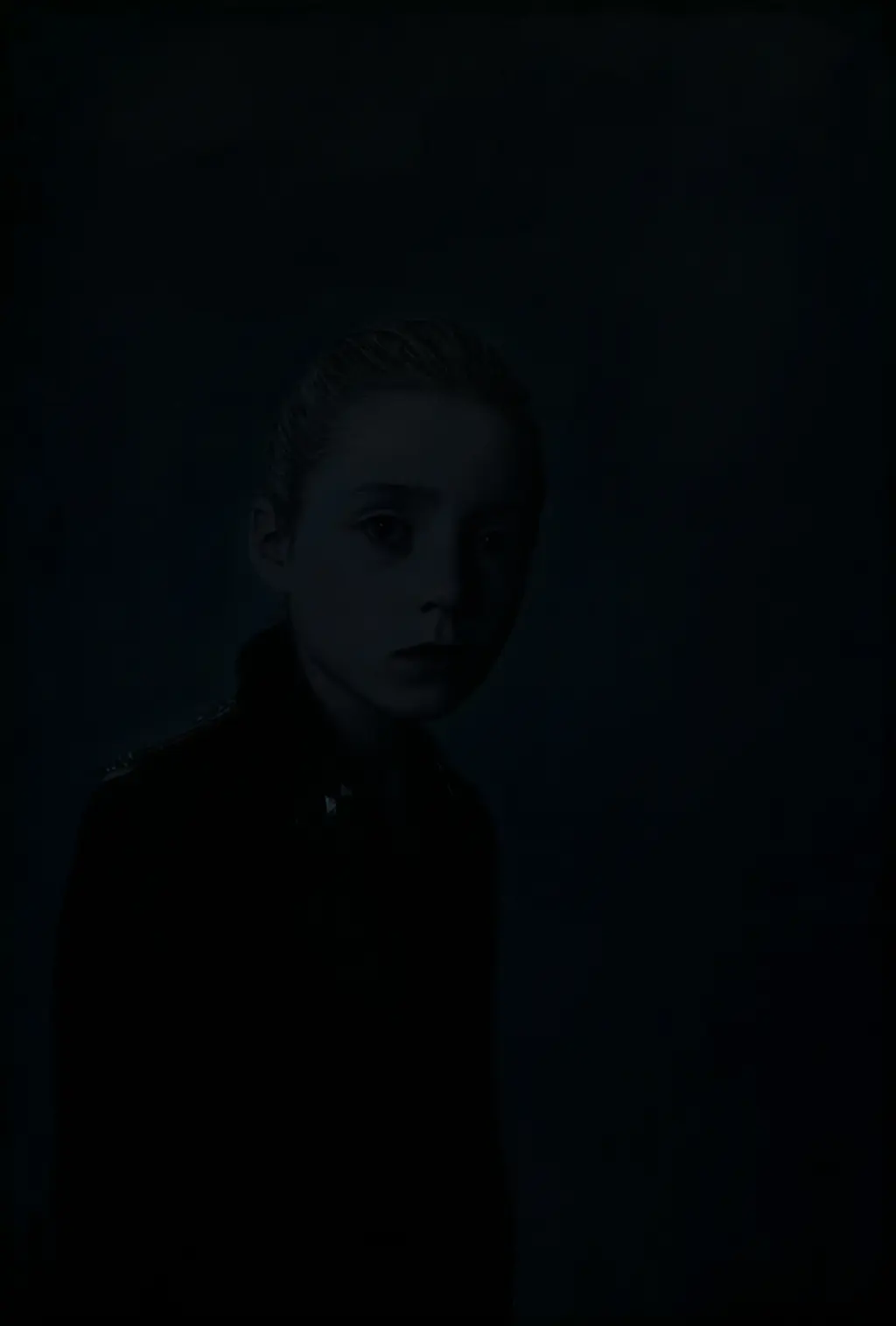
The Disasters of War 11
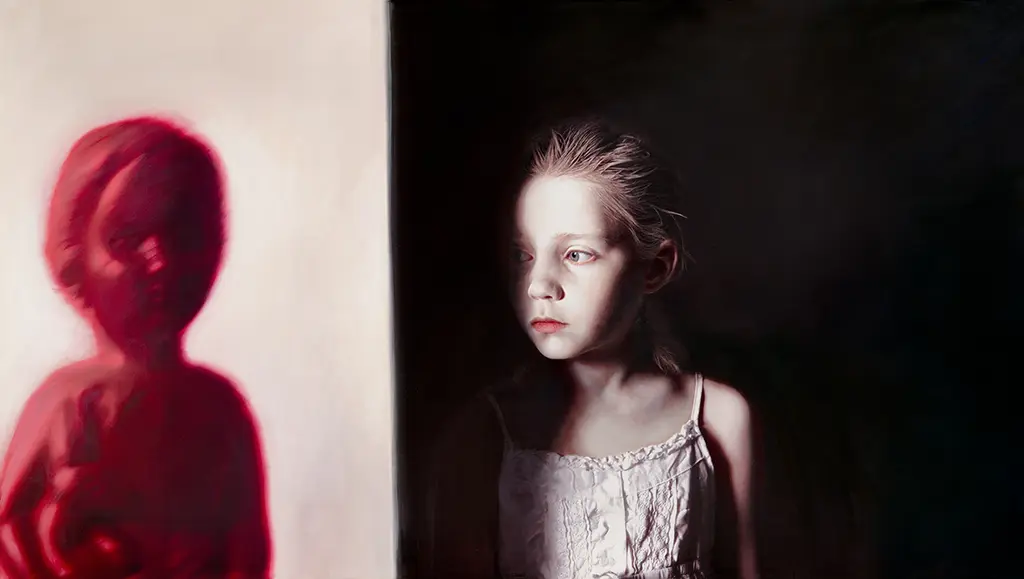
The Disasters of War 1
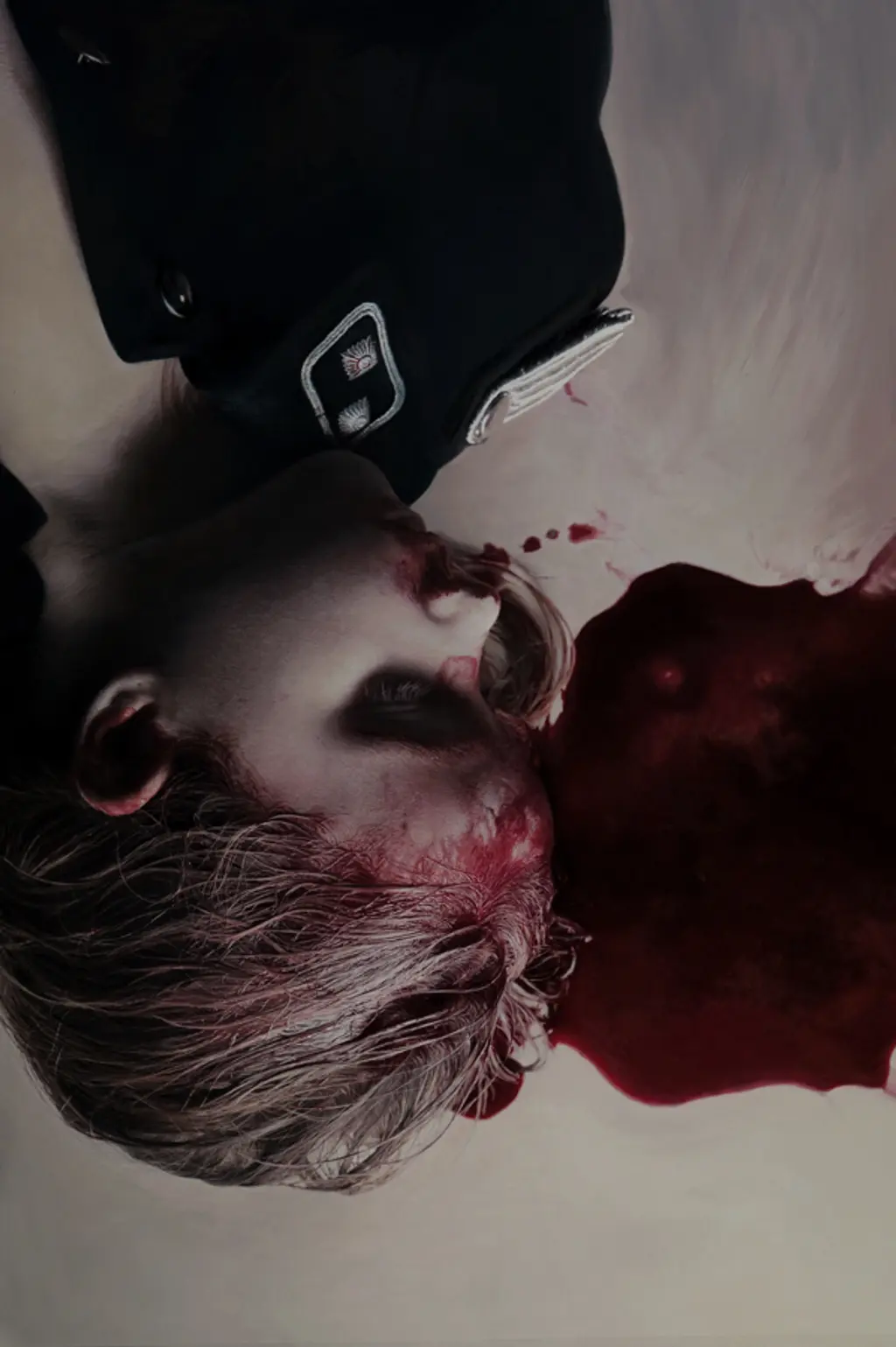
The Disasters of War 21
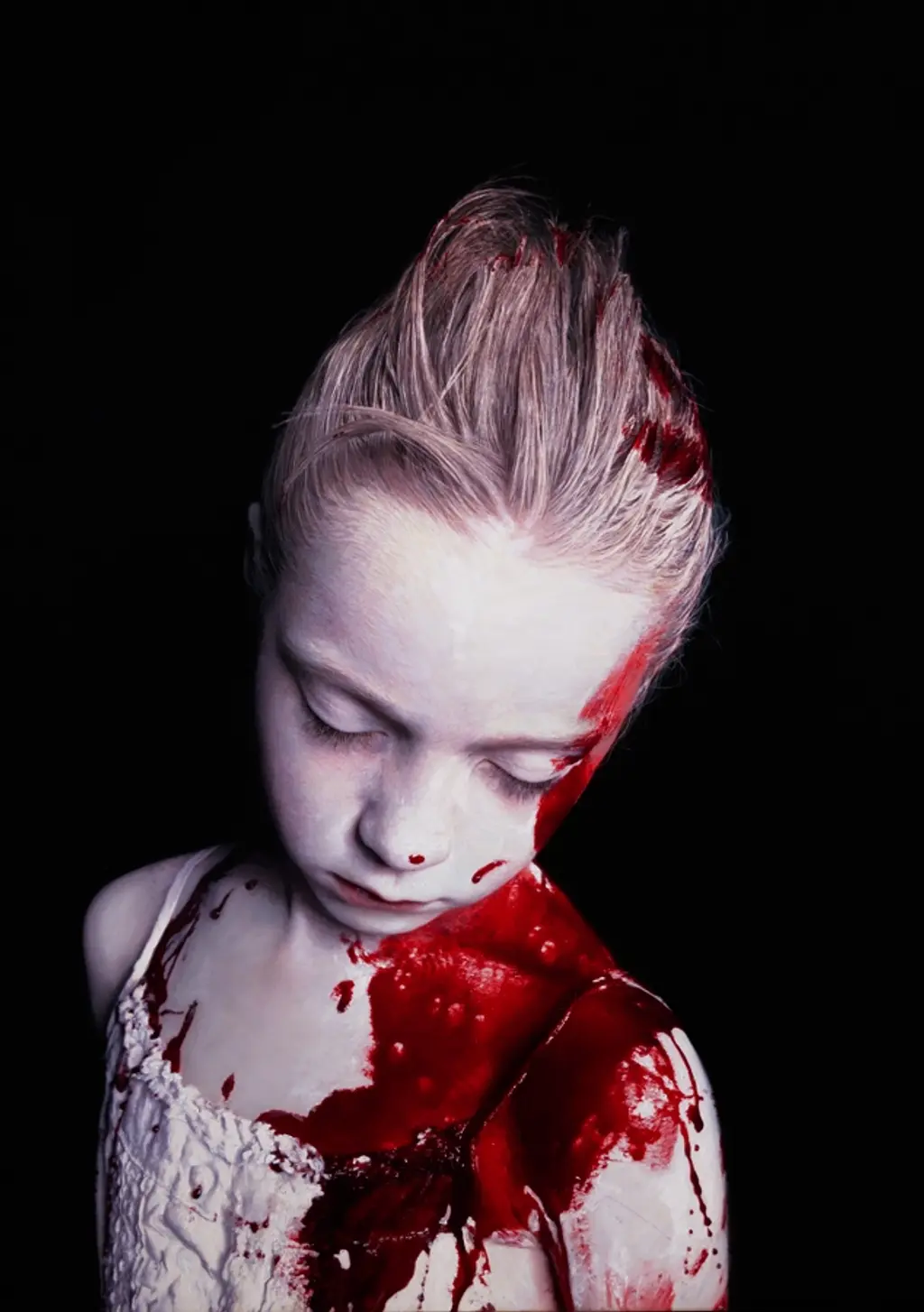
The Disasters of War 13
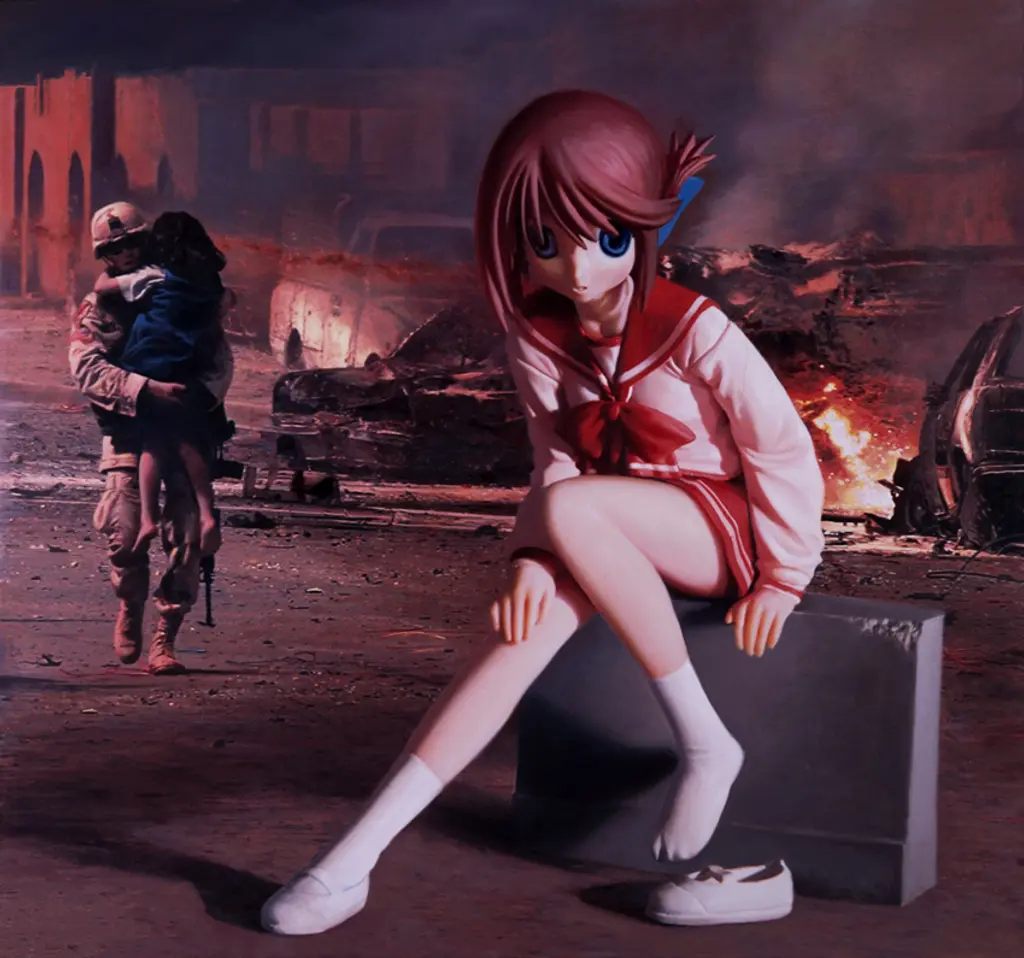
The Disasters of War 19
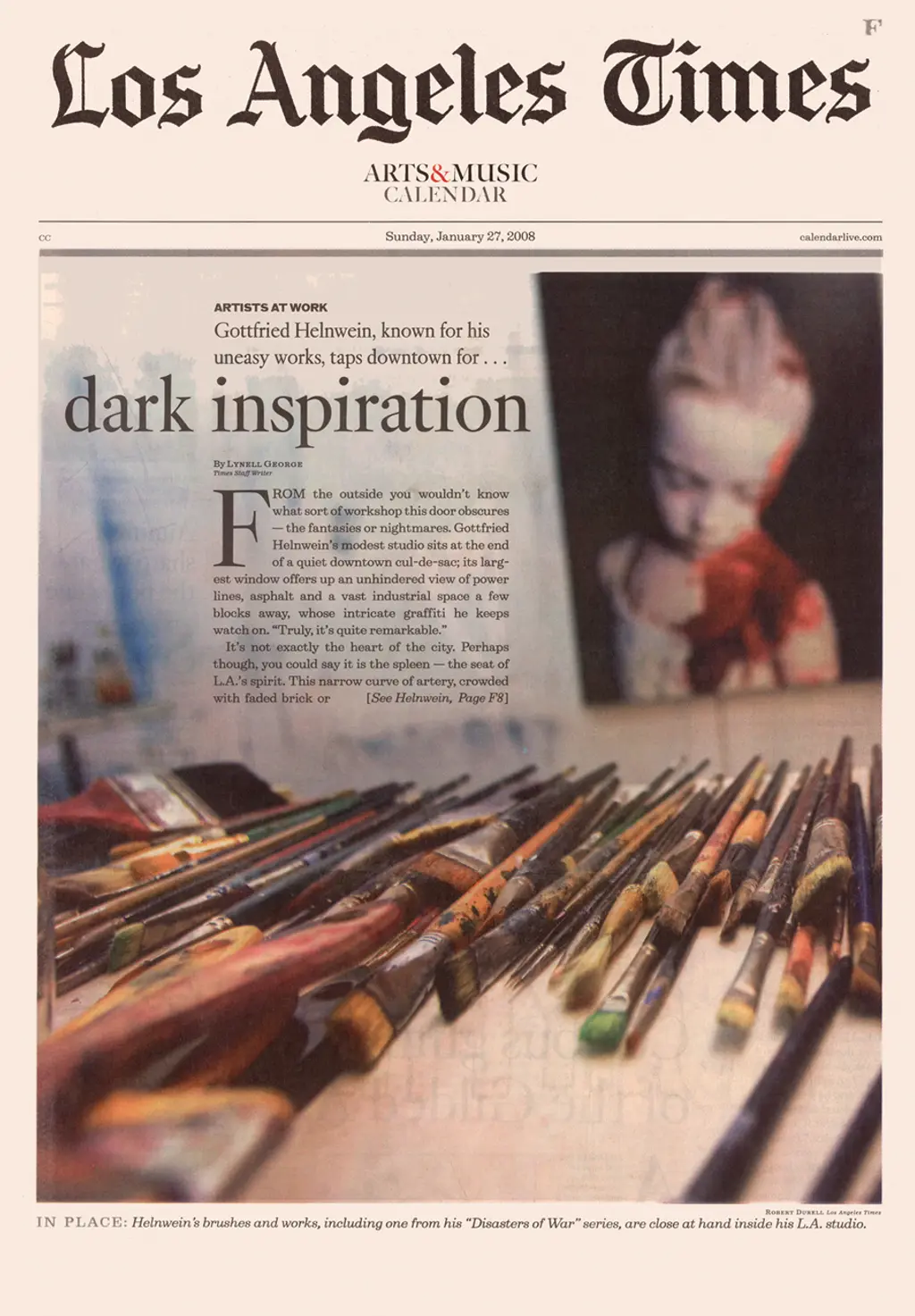
Los Angeles Times, "Dark Inspiration"
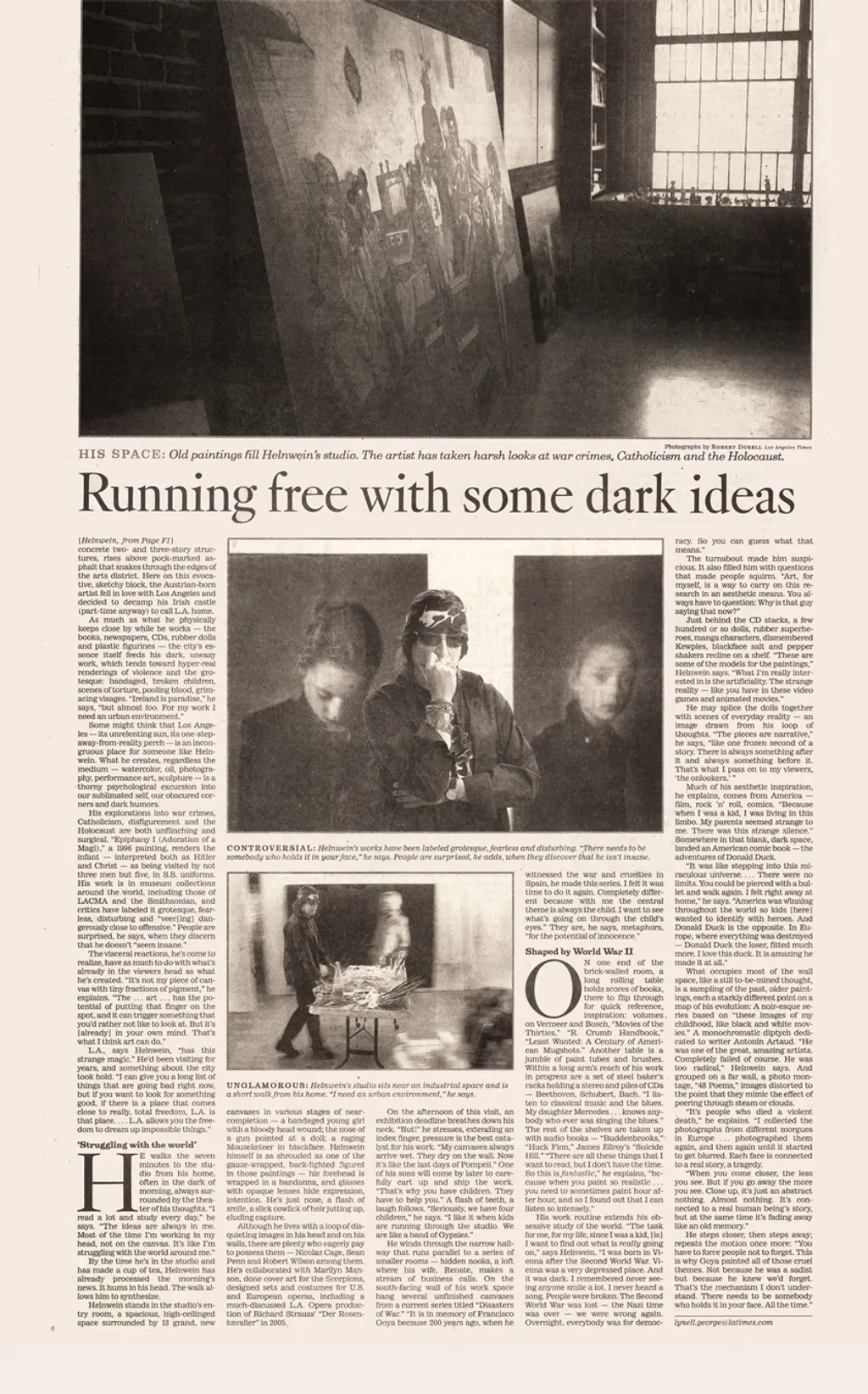
Los Angeles Times, "Dark Inspiration"