June 1st, 1997
The State Russian Museum, St. Petersburg
Helnwein
Retrospctive in the The State Russian Museum, St. Petersburg
Monograph
texts by Alexander Borovsky, Curator for Modern and Contemporary Art
Peter Selz
Klaus Honnef
William Burroughs
Heiner Müller
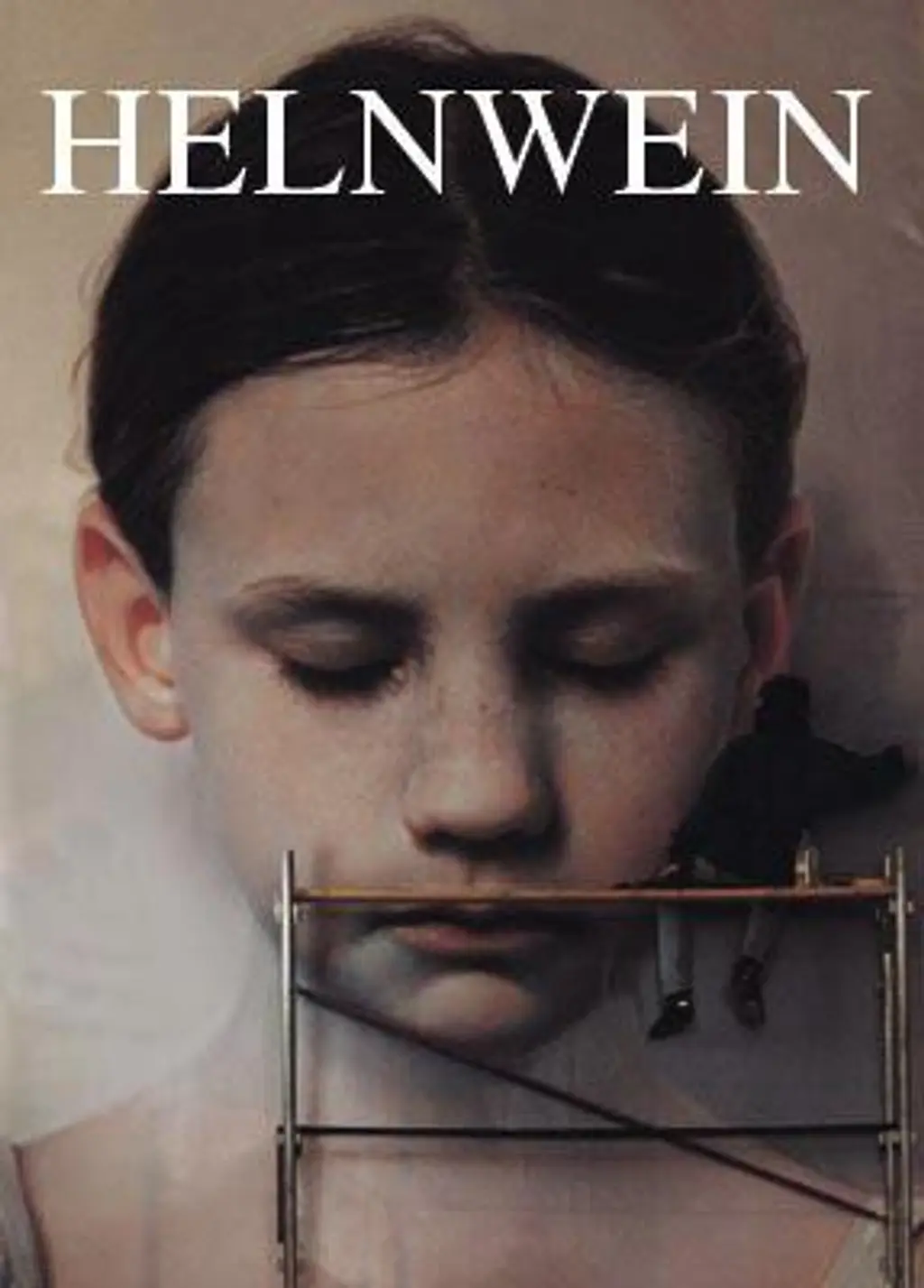
Helnwein - The Monograph
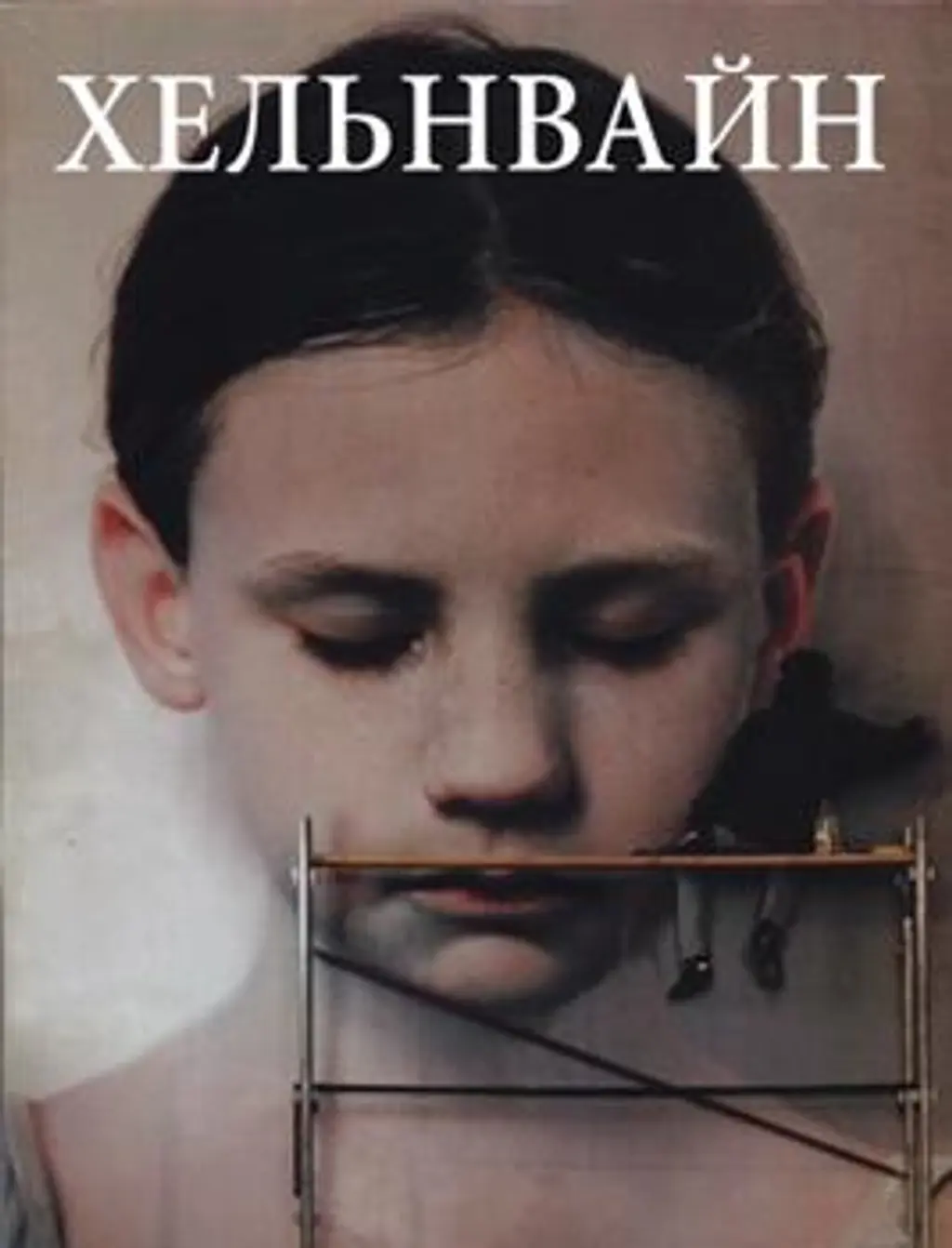
Published for the Helnwein - Retrospective at the Marble Palace of the State Russian Museum St. Petersburg.Edition with English text - ISBN: 5900872556Edition with Russian text - ISBN: 3-930775-31-XPalace Edition, St. Petersburg, 1997.Second edition:Koenemann, Cologne, 1998Texts in English, German and French.ISBN: 3829014481
THE HELNWEIN PASSION -
I'll never forget the sensation I had at the unveiling of Gottfried Helnwein's "Kindskopf" in the Russian Museum. And not just because this enormous canvas (six metres in height, four in breadth), well-known from reproductions, seemed to operate in a whole new way in the real, quasi-monumental space of the museum's "Concrete Hall", originally intended for the demonstration of gigantic sculptural compositions. I realised that I was looking at the inner content of this innovative picture from a whole new point of view.
THE SUBVERSIVE POWER OF ART -
Helnwein - A Concept Artist before the Turn of the Millennium. Is it sheer coincidence that Gottfried Helnwein, the Austrian artist, created a portrait of both the German and the American? Coincidence, that he captured Warhol as a disturbing spectre on photograph, but painted Beuys? And that he then photographed the painted portrait of Beuys in the hands of Arno Breker, Adolf Hitler's favourite sculptor? There are weighty reasons for considering Helnwein the legitimate heir to Beuys and Warhol.
HELNWEIN: THE ARTIST AS PROVOCATEUR
Much like Joseph Beuys, who opened new, unexpected, and far-reaching spheres for art, Gottfried Helnwein has made works that extend beyond the art scene into the social and political realm. Like his predecessor, he has moved beyond the realm of pure aesthetics, engaging his art into the everyday world. Furthermore his principal interest is not to express personal feelings and emotions, but to make statements that go beyond the individual. He wants to see his work not trapped on the walls of museums and galleries, but revealed in the public domain. He expects his work to intervene in the social sphere and to have a direct impact on the life of his time. ... — Gottfried Helnwein, retrospective, the State Russian Museum, St. Petersburg
Helnwein - The Monograph
Helnwein-Monograph